
Grease trap failures rarely happen without warning. The problem is that busy kitchen staff often miss the early signs until a minor issue escalates into an emergency that disrupts service, creates health hazards, and generates expensive repair bills. Recognizing these seven warning signs can help you act before the situation becomes critical.
1. Persistent Foul Odors from Drains
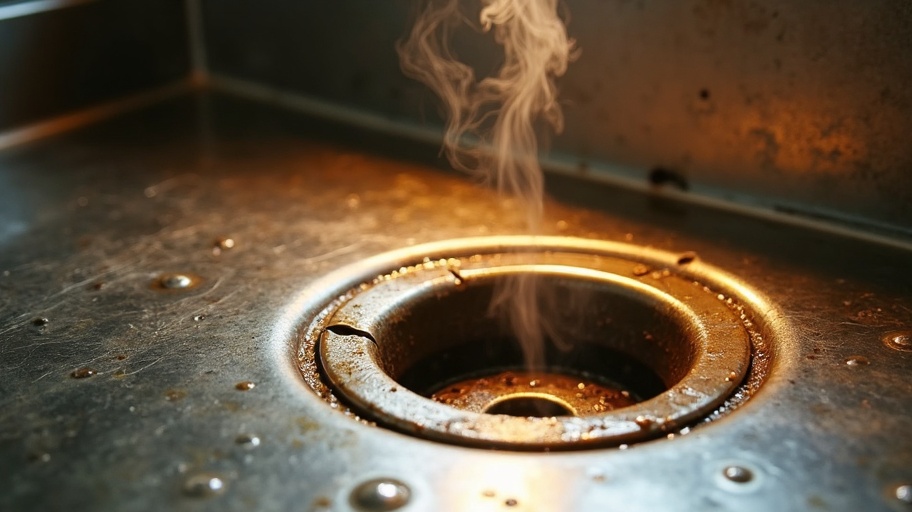
The most common early warning sign is an unpleasant smell emanating from floor drains, sinks, or the area around your grease trap. As grease accumulates, anaerobic bacteria begin breaking it down, producing hydrogen sulfide and other sulfur compounds that create a rotten egg odor. If odors persist despite normal cleaning routines, your trap is likely approaching capacity and needs service.
2. Slow Drainage Across Multiple Fixtures
When a single sink drains slowly, the problem is usually a localized clog. But when multiple fixtures throughout the kitchen drain slowly simultaneously, the issue is likely in your grease trap or main sewer line. The trap’s baffles may be clogged, or the accumulated grease layer has reached the outlet pipe, restricting flow for the entire system. This pattern indicates imminent backup.
3. Gurgling Sounds in Plumbing
Air trapped behind grease blockages creates gurgling or bubbling sounds as water attempts to flow past the obstruction. These sounds often occur when dishwashers discharge, sinks empty, or toilets flush. While occasional gurgling might indicate minor venting issues, consistent gurgling across multiple fixtures points to a significant grease accumulation requiring immediate attention.
4. Grease Visible in Downstream Drains
A properly functioning grease trap should capture nearly all grease before wastewater exits the system. If you observe grease floating in floor drains or appearing in areas downstream from the trap, the trap has failed. Either the baffles are damaged, allowing grease to pass through, or the trap is so full that grease is being forced out with the wastewater flow.
5. Water Backing Up During Peak Use
Backups that occur specifically during busy periods, when multiple fixtures are in use simultaneously, suggest that your trap has reduced capacity due to grease accumulation. The trap can handle low flow rates during slow periods but becomes overwhelmed when dishwashers, sinks, and mop sinks operate concurrently. This pattern indicates that your trap is partially blocked and nearing failure.
6. Increased Frequency of Minor Clogs
If you find yourself plunging sinks or snaking drains more frequently than in the past, the underlying cause may be grease trap inefficiency. A failing trap allows more grease into the drainage system, where it coats pipe walls and traps debris. Each minor clog is a symptom of a larger systemic problem upstream at the trap.
7. Last Service Was Over 90 Days Ago
Even without visible symptoms, exceeding 90 days between grease trap cleanings is a risk factor for most restaurants. Grease accumulation follows a predictable curve, and by 90 days most traps have reached or exceeded the 25% capacity threshold recommended by manufacturers and regulators. If you cannot recall your last service date, schedule one immediately.
Immediate Actions When Warning Signs Appear
When you observe any of these warning signs, take immediate steps to prevent escalation. Reduce water usage to minimum necessary levels. Avoid running dishwashers until the situation is resolved. Contact your grease trap service provider for emergency cleaning. If backup is imminent, notify staff and prepare to close affected areas. Document the situation with photos for insurance and service records.
Preventing grease trap emergencies is far more cost-effective than responding to them. By training staff to recognize these warning signs and acting promptly when they appear, you maintain kitchen operations, protect your reputation, and avoid the significant expenses of emergency plumbing and regulatory penalties.